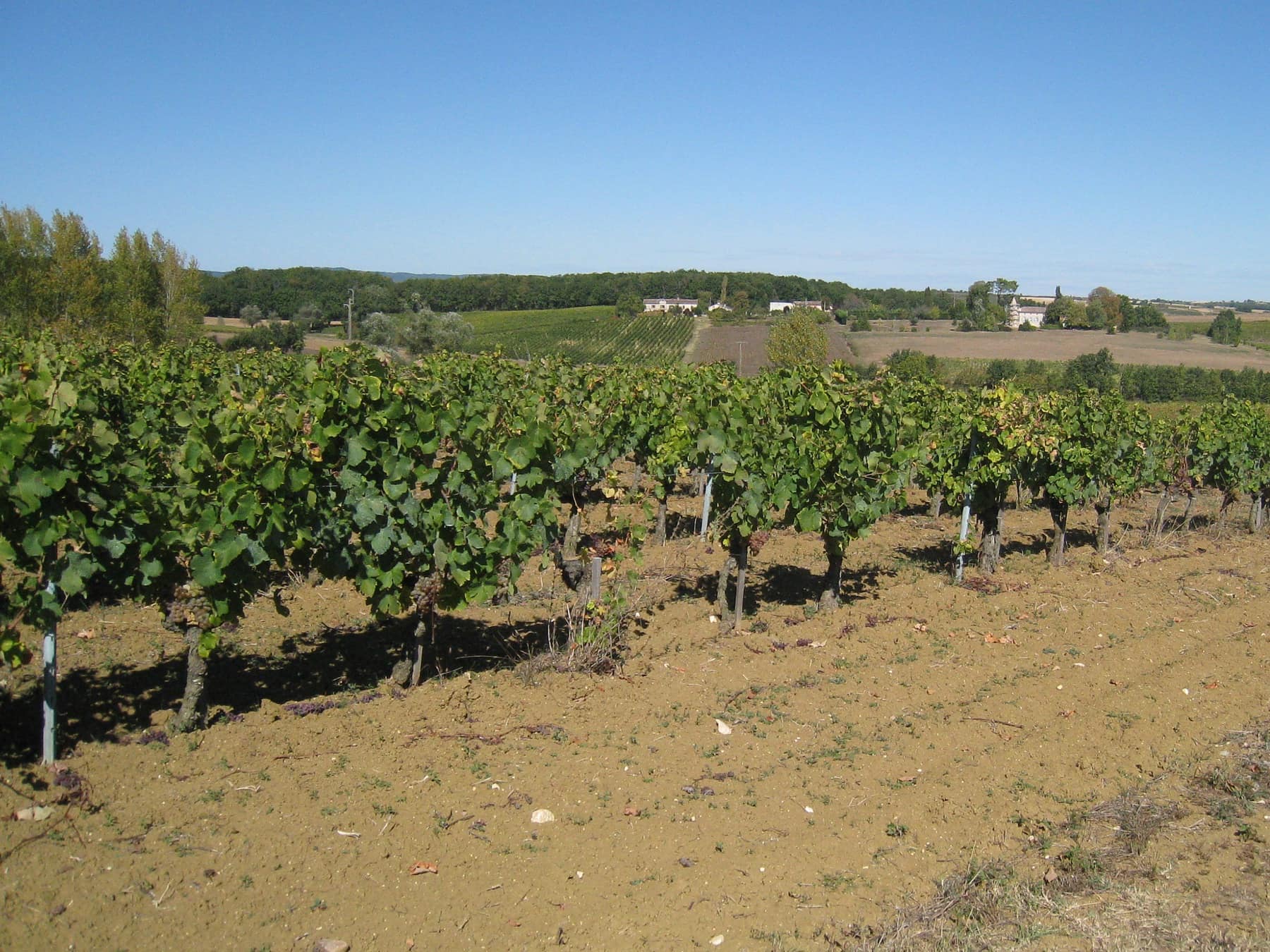
Vineyard
Gaillac, birthplace of the ancestral method
Before champagne, there was the Gaillac bubble. The ancestral method — also called the Gaillac method — makes wine sparkle using the grape's own sugars alone, with nothing added. It's the oldest way to make a wine fizz, and here it's one of the vineyard's great affairs. With, as its cousin, the famous perlé.
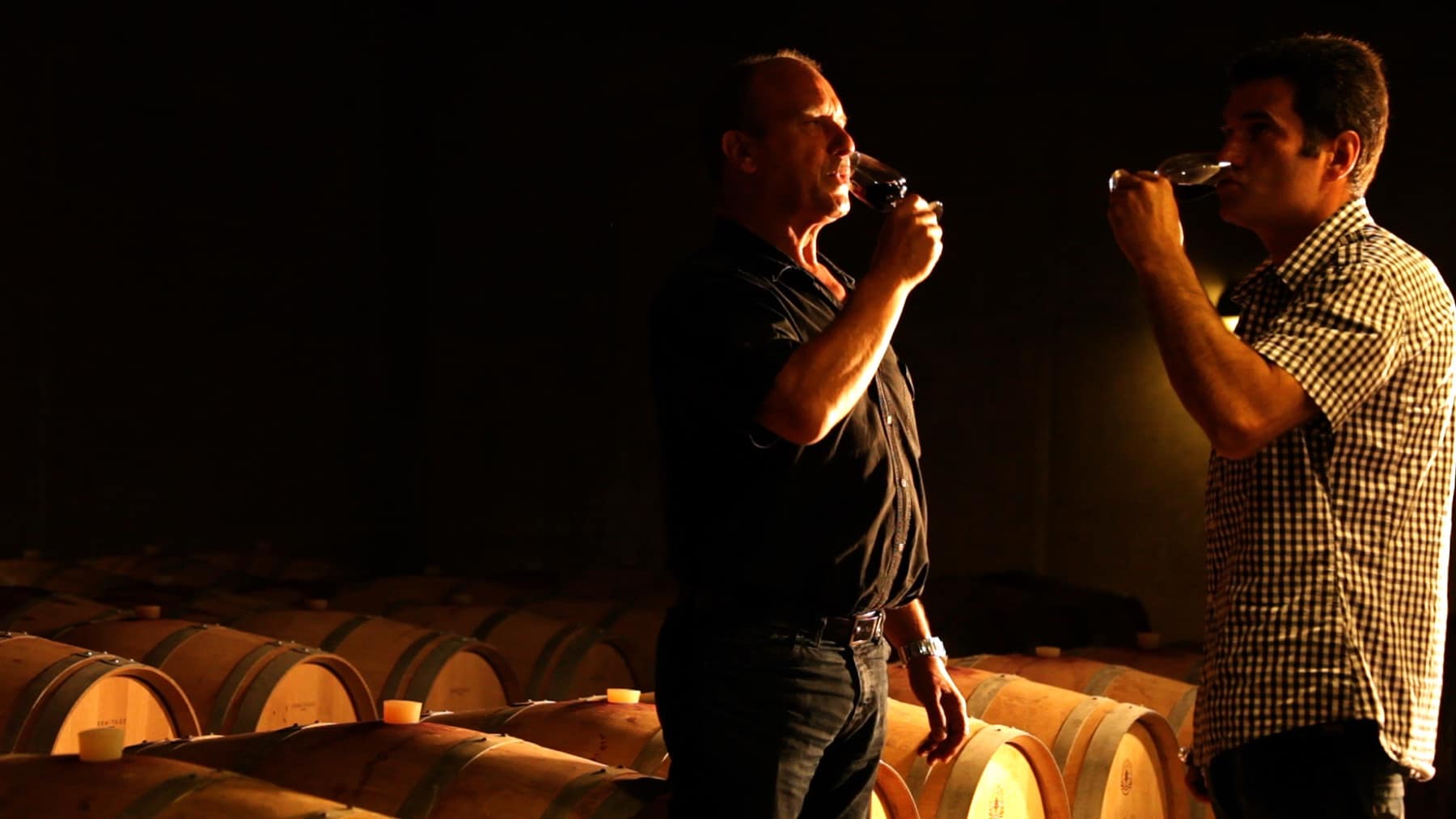
It’s a pride you hear quickly in Gaillac: here, they were making bubbles before everyone else. The nuance is worth setting straight, but the heart of it is true — the ancestral method is the oldest way to make a wine sparkle, and the Gaillac area has made it a signature. What remains is to understand what happens in the bottle, and not to confuse the sparkling wine with the perlé.
The bubble from before champagne
The principle is disarmingly simple, and that’s what makes it ancient. The wine is bottled before fermentation has finished: some sugar remains, the yeasts keep working in the cool, and the carbon dioxide they produce can no longer escape. The bubble is born this way, all on its own, from the grape’s sugars alone — without the “liqueur de tirage” (added sugar and yeast) that underpins the champagne method, invented later.
In Gaillac, this ancestral method is also called the Gaillac method, and it almost always rests on one grape: mauzac, with its ripe-apple aromas. The result is a sparkling wine that’s often gentle, lightly sweet, low in alcohol — a good-humoured bubble rather than a gala one.
As for the much-repeated claim of being first: caution. Growers here claim it over champagne, but neighbouring Limoux does too, with texts dated 1531. Let’s settle on the solid fact: the ancestral method is, everywhere, older than the champagne method. The rest is a fine parish rivalry — and it has its charm.
The perlé, Gaillac’s other bubble
Let’s not confuse them. The perlé is not a sparkling wine: it’s a dry white that has kept a fine bead of gas, a light prickle on the tongue. It comes from a winemaking that holds back some of the fermentation’s carbon dioxide. Served very cold, it’s the Gaillac aperitif par excellence — fresh, thirst-quenching, no fuss. Many visitors leave with the idea that “the Gaillac that fizzes a little” is this: they’re right, it’s the perlé.
Between the ancestral-method sparkling and the perlé, then, lies a whole range of bubbles, from the most discreet to the most pronounced. It’s a distinctiveness few vineyards can claim with such continuity.
Where to taste it, and how
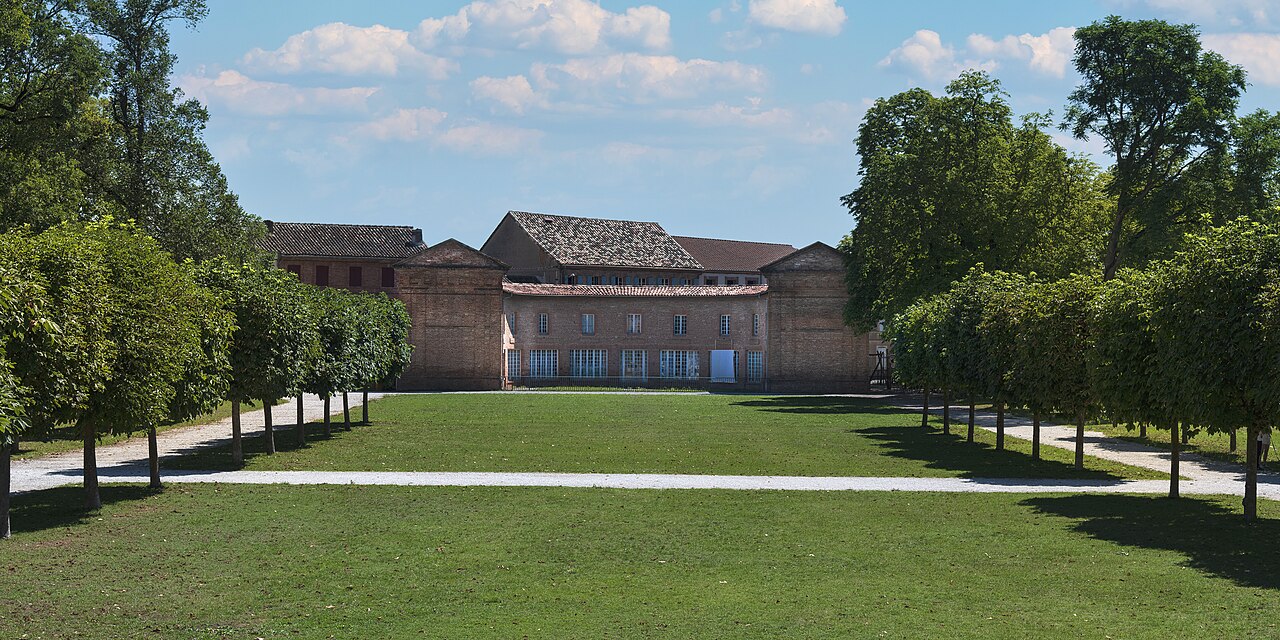
The simplest way to compare is still the Maison des Vins de Gaillac, in the cellars of Saint-Michel Abbey: the styles are lined up and you grasp at once the difference between a perlé and an ancestral sparkling. At the estates, many growers make it — including the Plageoles family, who have made Gaillac’s sparkling and its old grapes a school of their own. For more on the varieties, our piece on the forgotten grapes of Gaillac tells the story of mauzac and its cousins.
A word of service, to finish: these bubbles are drunk cold, around 6–8°C, as an aperitif or with a not-too-sweet dessert. And since the ancestral method leaves room for chance — variable residual sugar, sometimes a slight haze — you take it as it comes: alive. It’s the very opposite of an industrial bubble, and that’s exactly what you come for.