Visit · UNESCO Heritage
Rabastens
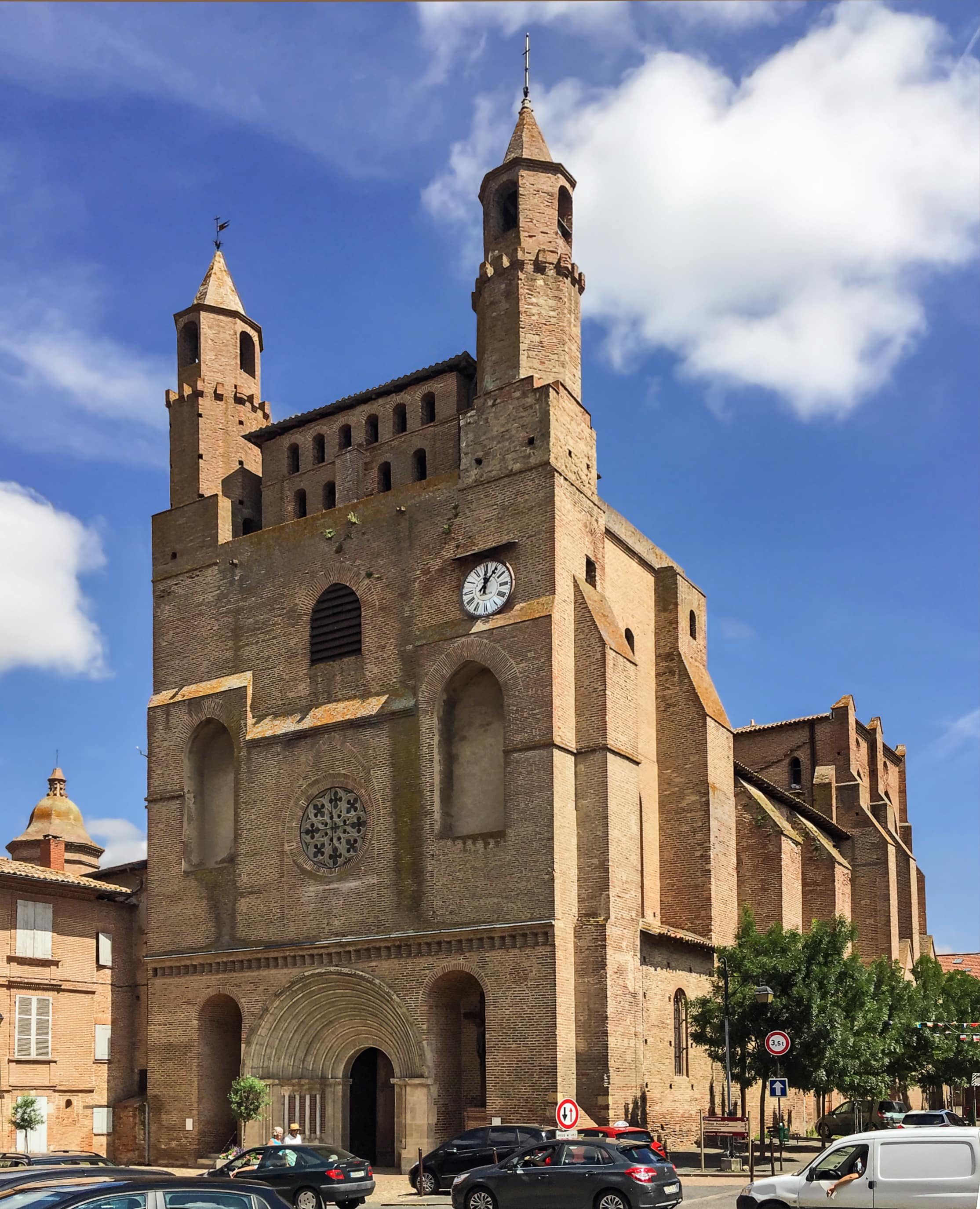
A pink-brick town on the banks of the Tarn, fifteen minutes from Gaillac. The Church of Notre-Dame du Bourg, a World Heritage Site, hides 13th-century wall paintings beneath its austere brick — buried under lime during the Wars of Religion.
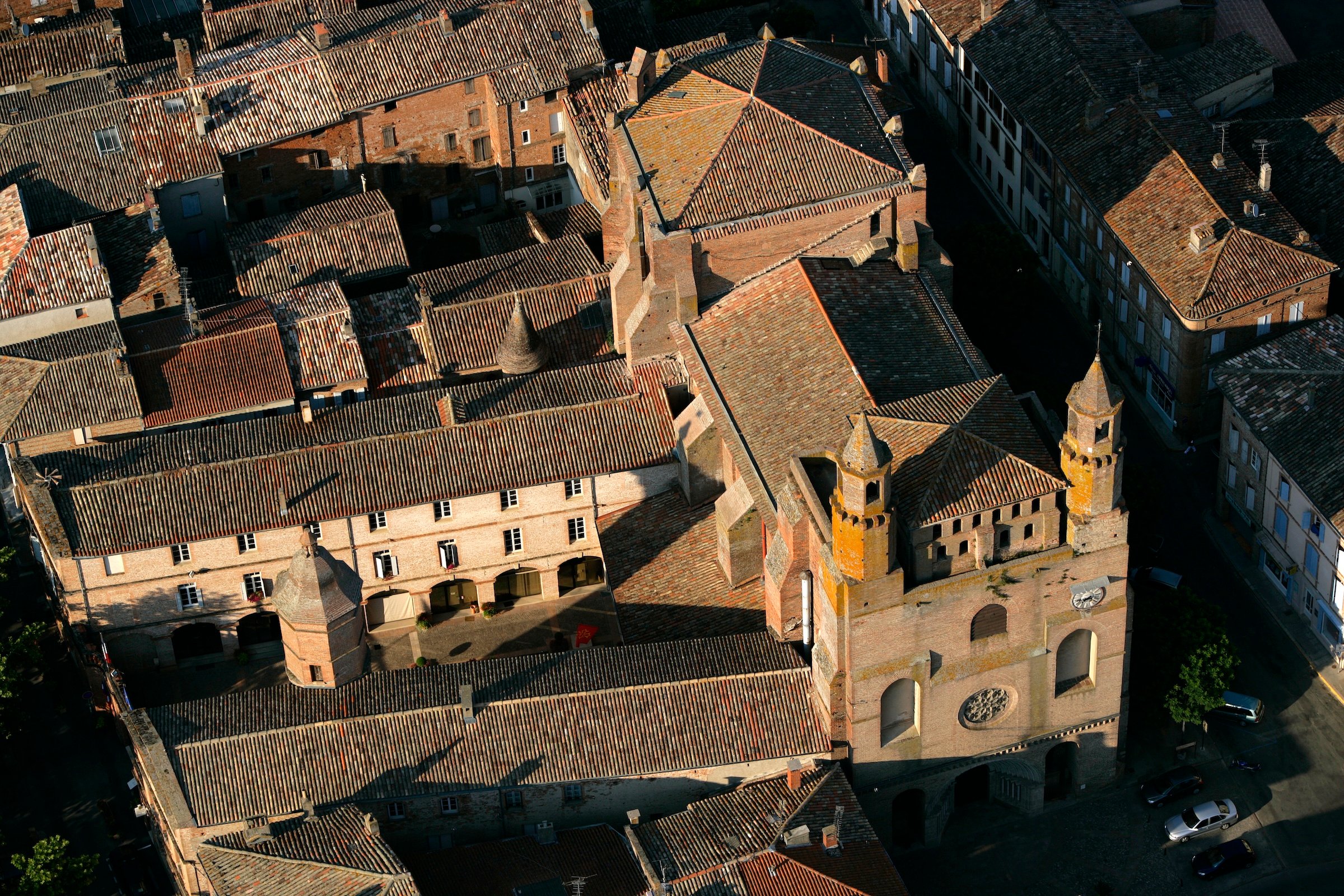 Church of Notre-Dame du Bourg, Rabastens — © Dominique Viet
 Distance
16 km
from Gaillac
Access
15 min from Gaillac, 16 km
Population
5,775 inhab.
Founded
—
Market
Saturday morning, Promenade des Lices
Why go
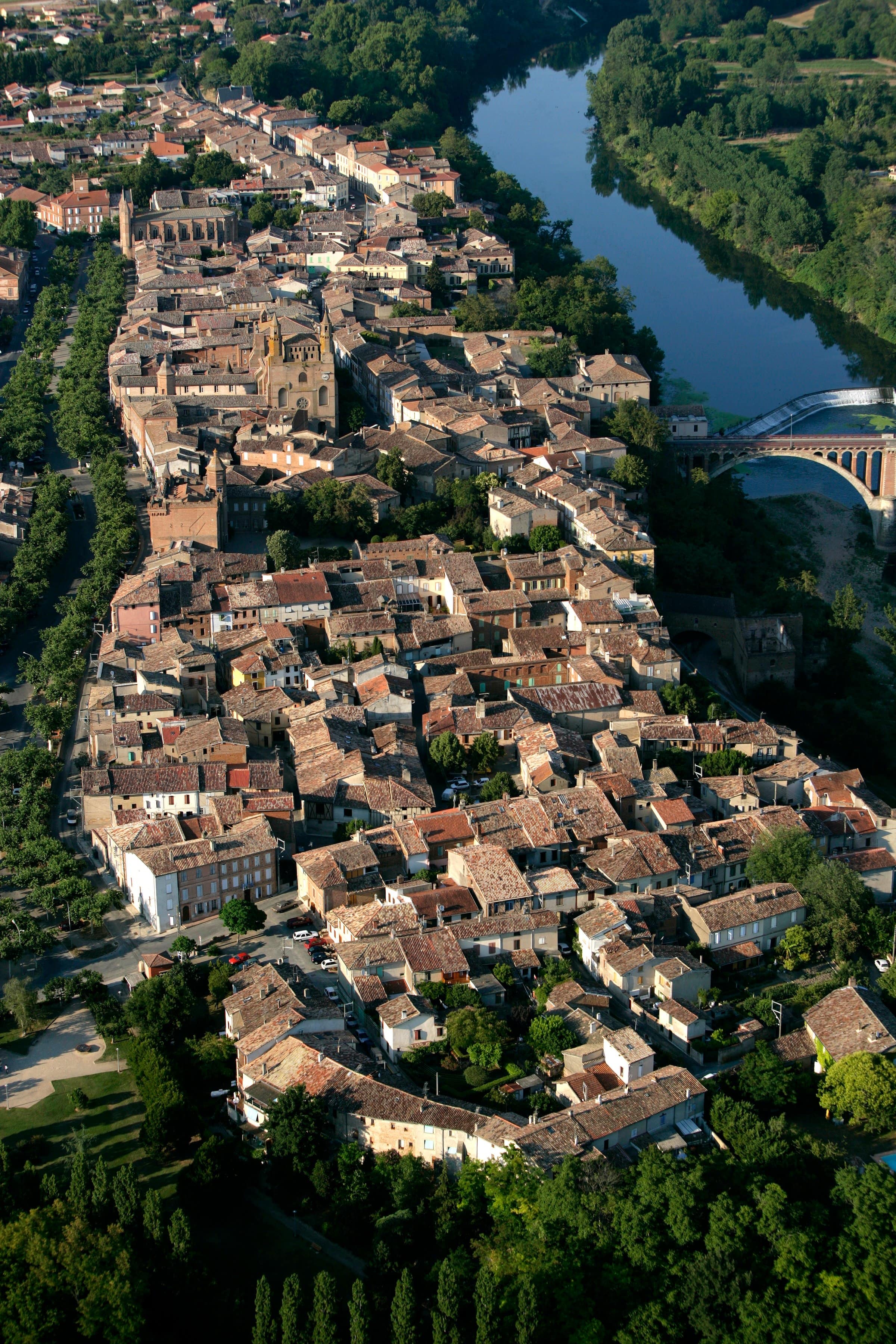
Rabastens does not appear on any list of “most beautiful villages”. No hilltop castle, no rocky spur, no dramatic ramparts. It is a town that lives — 5,000 inhabitants, a Saturday market on the Promenade des Lices, pink-brick streets sloping down to the Tarn. Fifteen minutes from Gaillac, it is the quiet neighbour, the one you drive through without stopping. And that is a mistake.
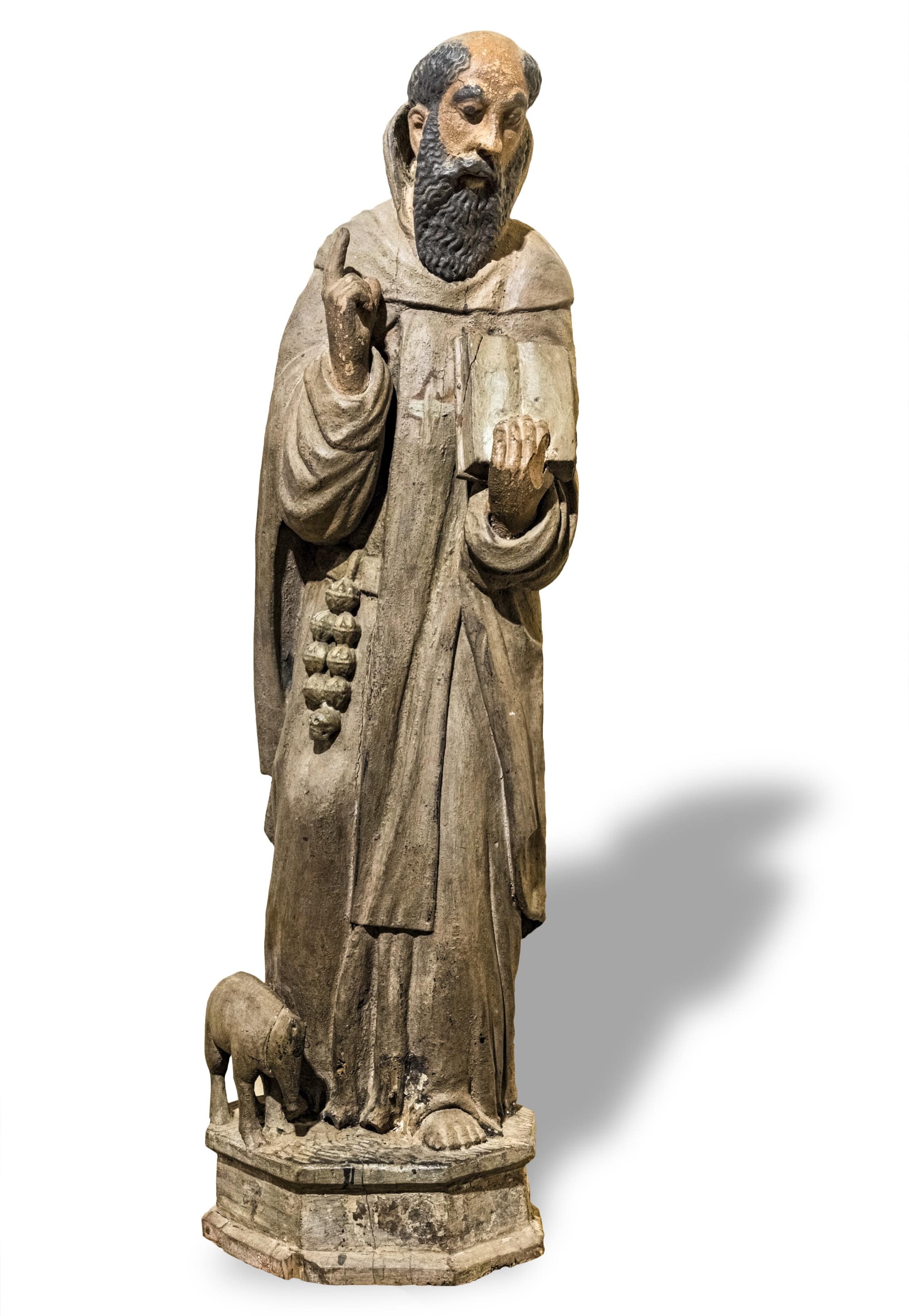
Push open the door of Notre-Dame du Bourg. Outside, the brick is austere — southern Gothic, no flourishes. Inside, it is another story. Thirteenth-century wall paintings cover the walls — red dominant, blue and gold. The Chapel of Saint James unfolds scenes from the Golden Legend, with a life-sized Saint James, pilgrim’s staff in hand. These frescoes were hidden under lime in 1594, when Protestants turned the church into a barracks. They slept beneath the whitewash for nearly three centuries before being rediscovered in 1860, in remarkable condition. UNESCO inscribed them as a World Heritage Site in 1998, as part of the Routes of Santiago de Compostela.
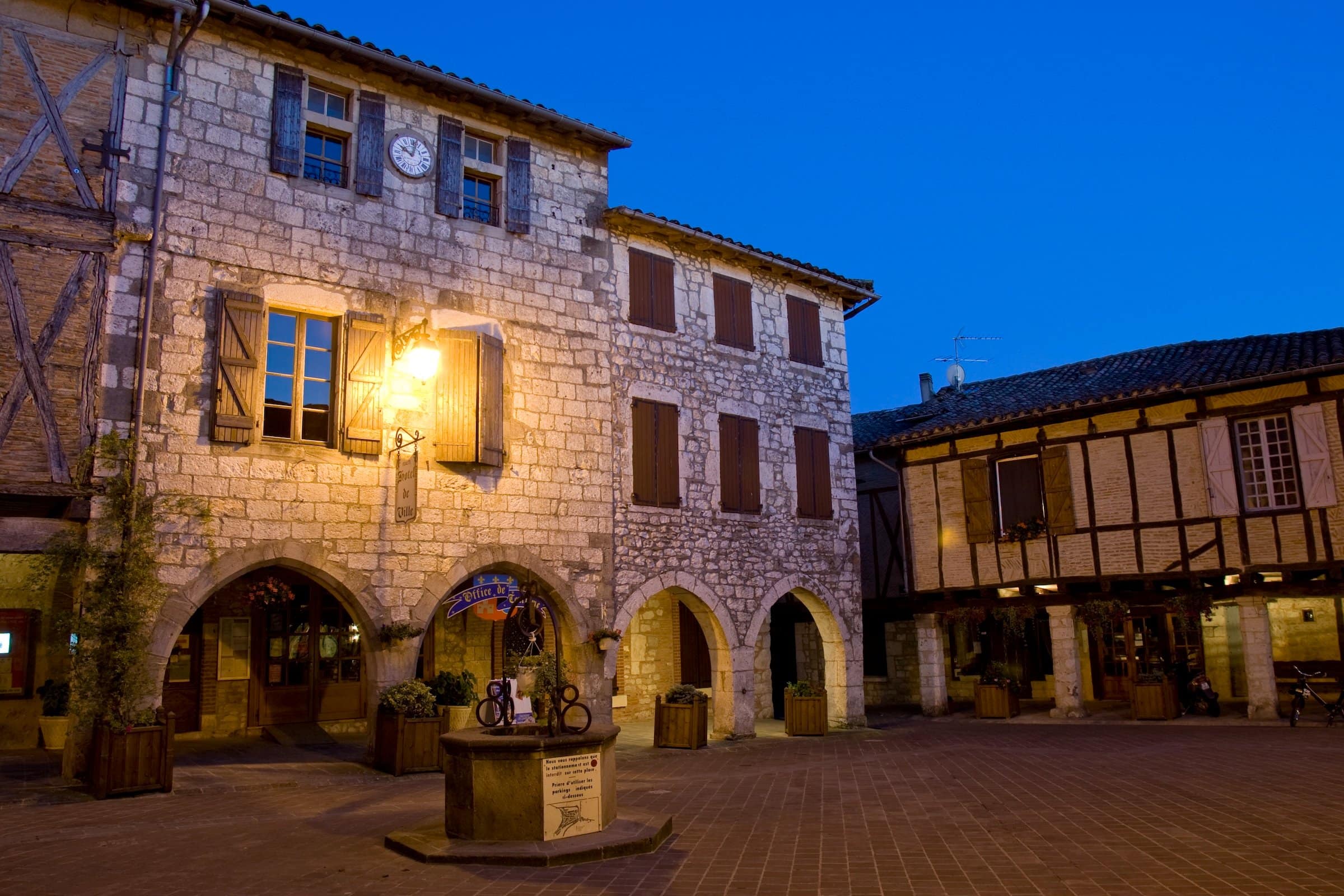
Leaving the church, you walk up through the lanes of old Rabastens — half-timbered houses, brick façades, wooden shutters — to the Musée du Pays Rabastinois, housed in a 17th-century townhouse. For those who want to linger, the Cave de Rabastens (Vinovalie) offers a free tasting of Gaillac wines and a two-hour walk through the vineyards.
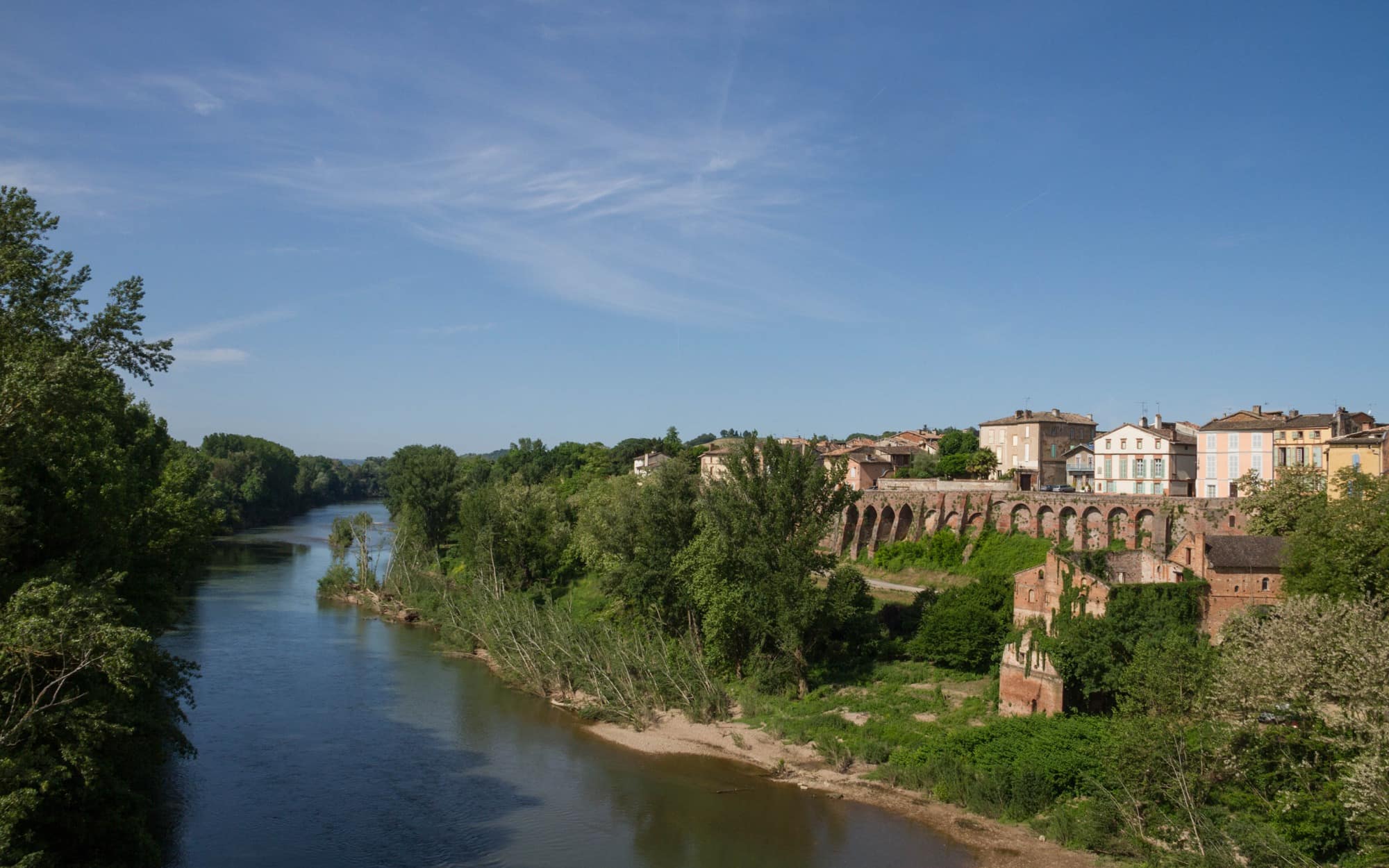
The Tarn riverbanks, down below, close the loop. A shaded walk, picnic tables under the poplars, a view from the bridge opened in 1924. You do not visit Rabastens — you discover it in passing, and you come back.