Gastronomy
Local produce of the Gaillac area
The wine first, of course. But around Gaillac the basket also fills with pink garlic, saffron, mountain charcuterie and little biscuits. You just need to know what's truly from here, what comes from the neighbouring Tarn, and what's simply South-West. A tour of the terroir, with an honest label.
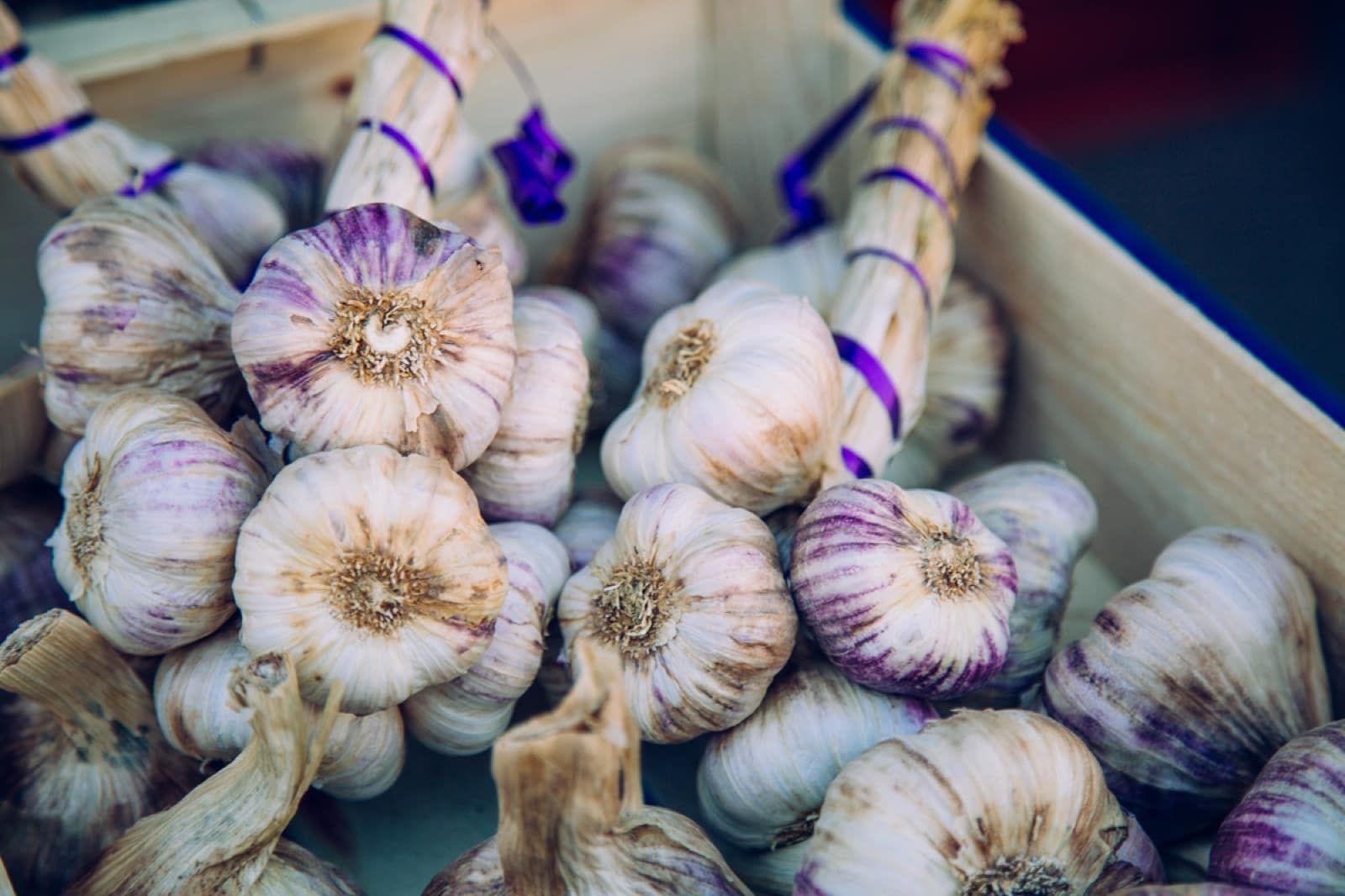
When you talk terroir in Gaillac, the reflex is to think of wine — and it’s right to come first. But a weekend basket here overflows with other things: braids of pink garlic, vials of saffron, charcuterie dried at altitude, little dry biscuits. The trap is to lump it all under “products of Gaillac”. The truth is more nuanced, and more interesting: there’s what is genuinely born in the Gaillac area, what comes from the neighbouring Tarn, and what is simply South-West. Let’s sort it out, without overselling a thing.
What is genuinely from Gaillac
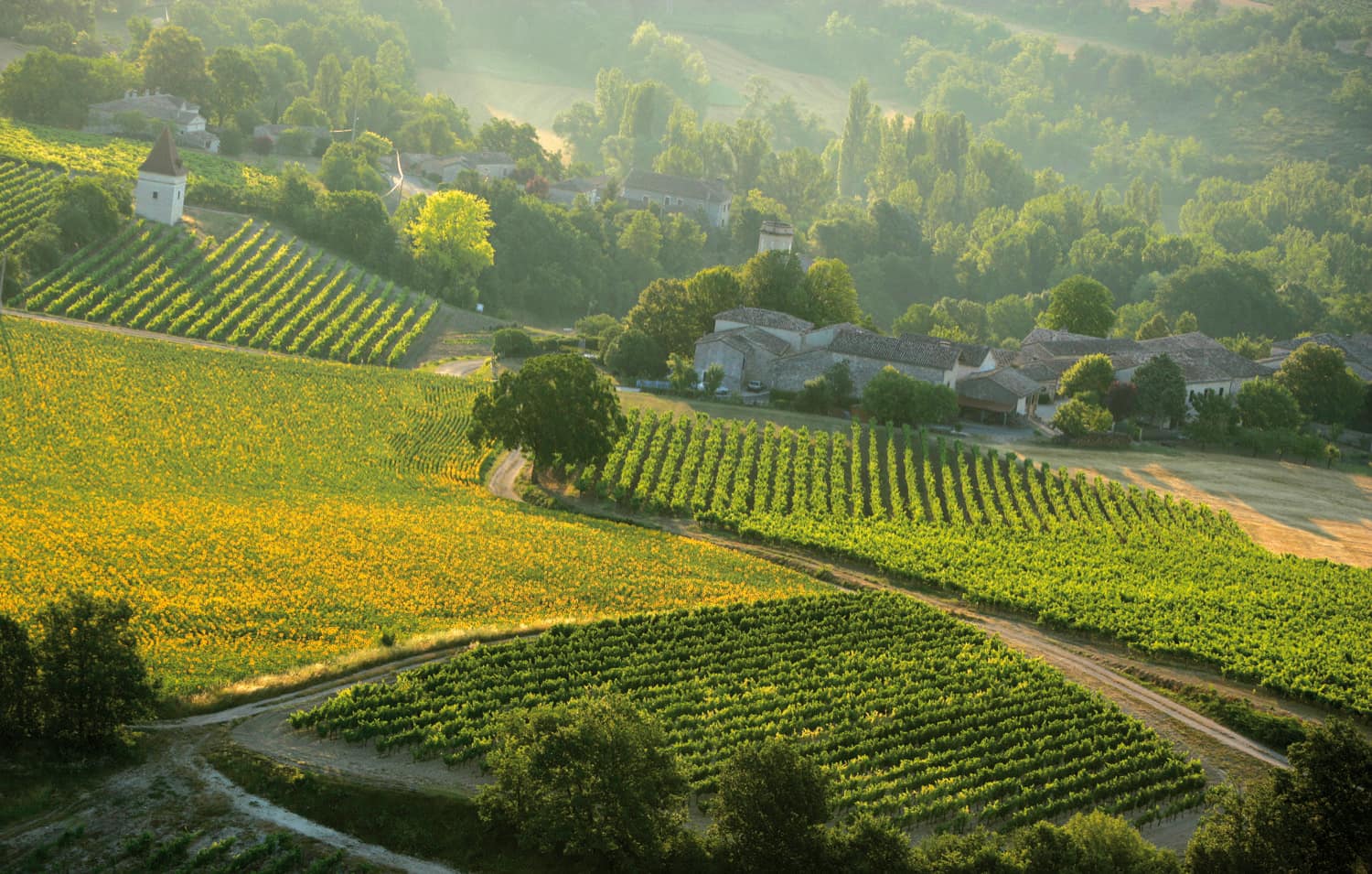
Let’s be clear: the only Gaillac product to carry an official sign of quality is Gaillac wine, with its AOC — dry and sweet whites, reds, rosés, perlé, ancestral method. It’s the heart of the terroir, and that’s already a lot. Beside it, its alcohol-free cousin, grape juice, found at many estates.
The rest is local farm produce: fruit, vegetables, a little honey, sold at markets and at the farm gate. Honest and good, but without an appellation: there’s no officially recognised “Gaillac cheese” or “Gaillac honey”. You buy them because they’re local and in season, not because they’re labelled — and that’s perfectly fine.
What comes from the neighbouring Tarn
This is where the basket fills out, provided you credit each thing to its village. Lautrec pink garlic, some thirty kilometres away, is the only French garlic to hold both IGP and Label Rouge: its pink braids are a point of departmental pride — like the ones in our header photo. From the Monts de Lacaune, in the south of the Tarn, come the sausage, the saucisson and the ham of Lacaune, all IGP, dried at altitude. And for cheese, the Pérail, a small creamy sheep’s-milk tomme, carries its own IGP.
Quieter but thoroughly Tarn, the saffron: a handful of growers, around Rabastens in particular, harvest it in autumn. It’s an artisanal production, with no label — rarity sets the price, not an appellation. Not to be confused with Quercy saffron, from another area.
Sweets: traditions rather than appellations
The Tarn has a sweet tooth, and each town has its speciality. The échaudés of Carmaux, little aniseed biscuits; the croquants of Cordes-sur-Ciel, dry and almond-rich, famed since the seventeenth century; the gimblettes and navettes of Albi. None is protected by a label: they’re traditions, handed down from bakery to bakery. You take them home for the pleasure and the history, not for an official stamp.
And what isn’t from here
One last sorting, so no one is misled. Quercy melon does hold an IGP — but its zone is the Lot and the Tarn-et-Garonne, not the Tarn: it’s not a Gaillac product. As for strawberries, they’re grown in the region and delicious in season, but there’s no labelled “Tarn strawberry” (the only IGP strawberry is the Périgord one). You buy them as seasonal South-West fruit, without lending them a coat of arms they don’t have.
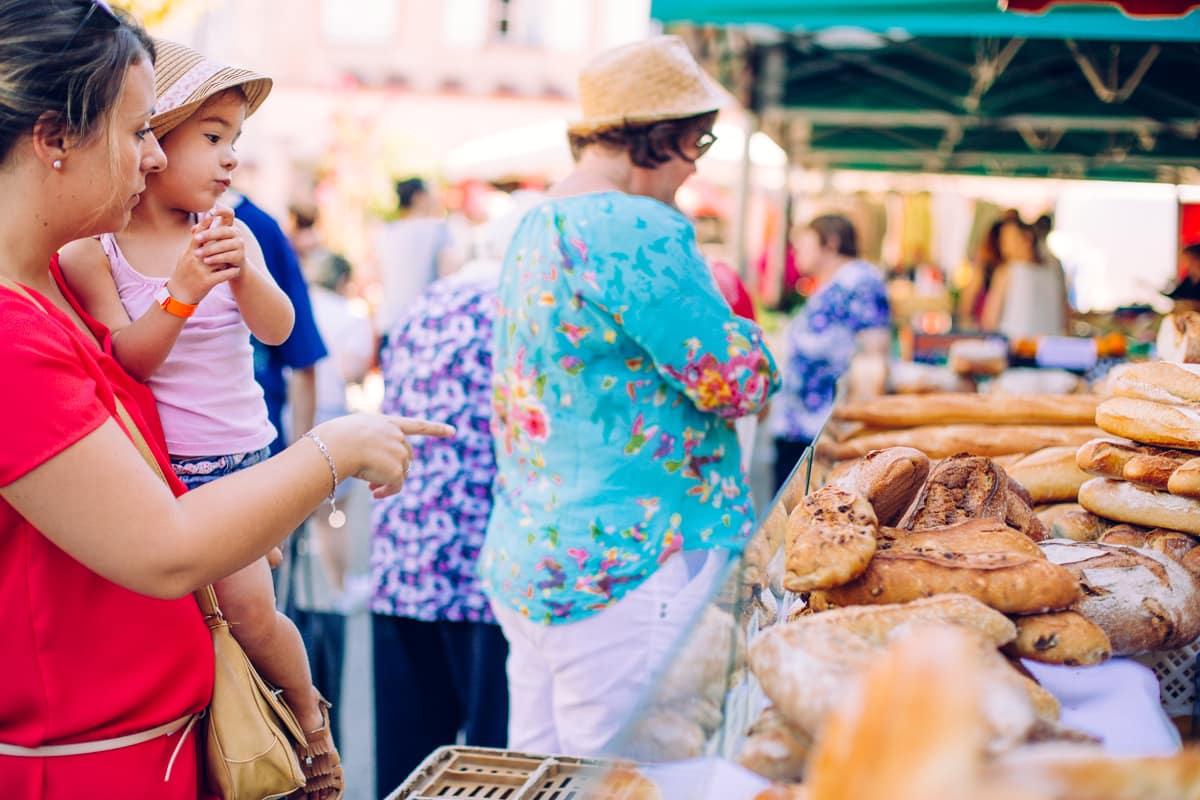
The best place to bring it all together is the market — in Gaillac, the big Friday market is its showcase. You’ll cross the winemaker, the market gardener and the garlic-braider in a single morning. Leave with a bottle, a braid of pink garlic, a little saffron and some croquants: a basket that tells the true map of taste, from the Gaillac area up to the hills of the Tarn.