Heritage
Saint-Michel Abbey in Gaillac and its museums
Founded in 972 on the banks of the Tarn, Saint-Michel Abbey gave birth to the Gaillac vineyard before becoming the heritage heart of the town: a fortress-church, the Maison des Vins in its cellars, and a museum of art and archaeology. A guide.
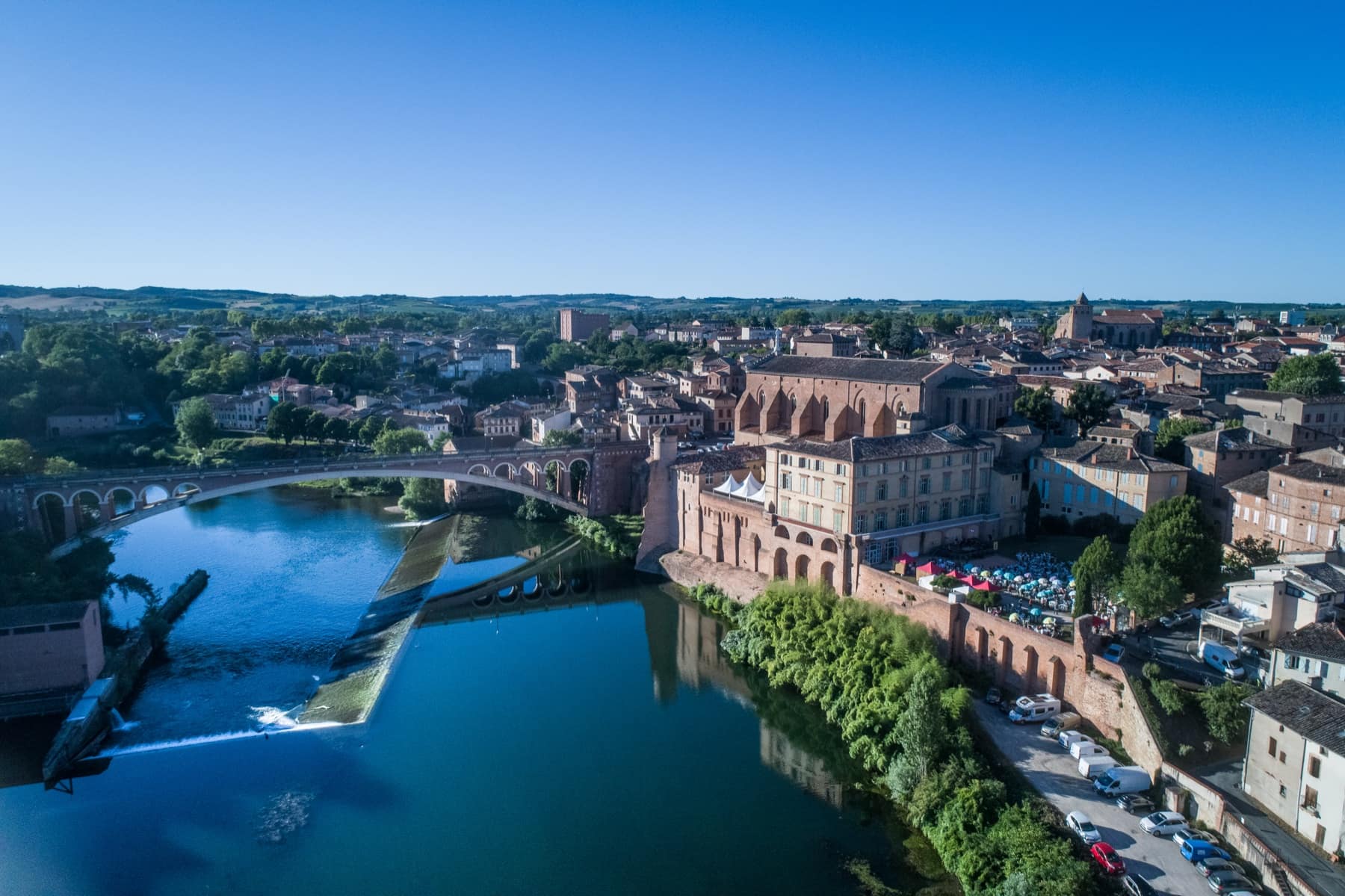
The whole history of Gaillac fits on one riverbank. It was there, beside the Tarn, that an abbey was founded more than a thousand years ago; there that monks planted the vines that would make the town’s fortune; and there, today, that you come to taste the wines and visit the museums. To understand Gaillac, you start with Saint-Michel Abbey — the rest follows.
The mother house of the vineyard
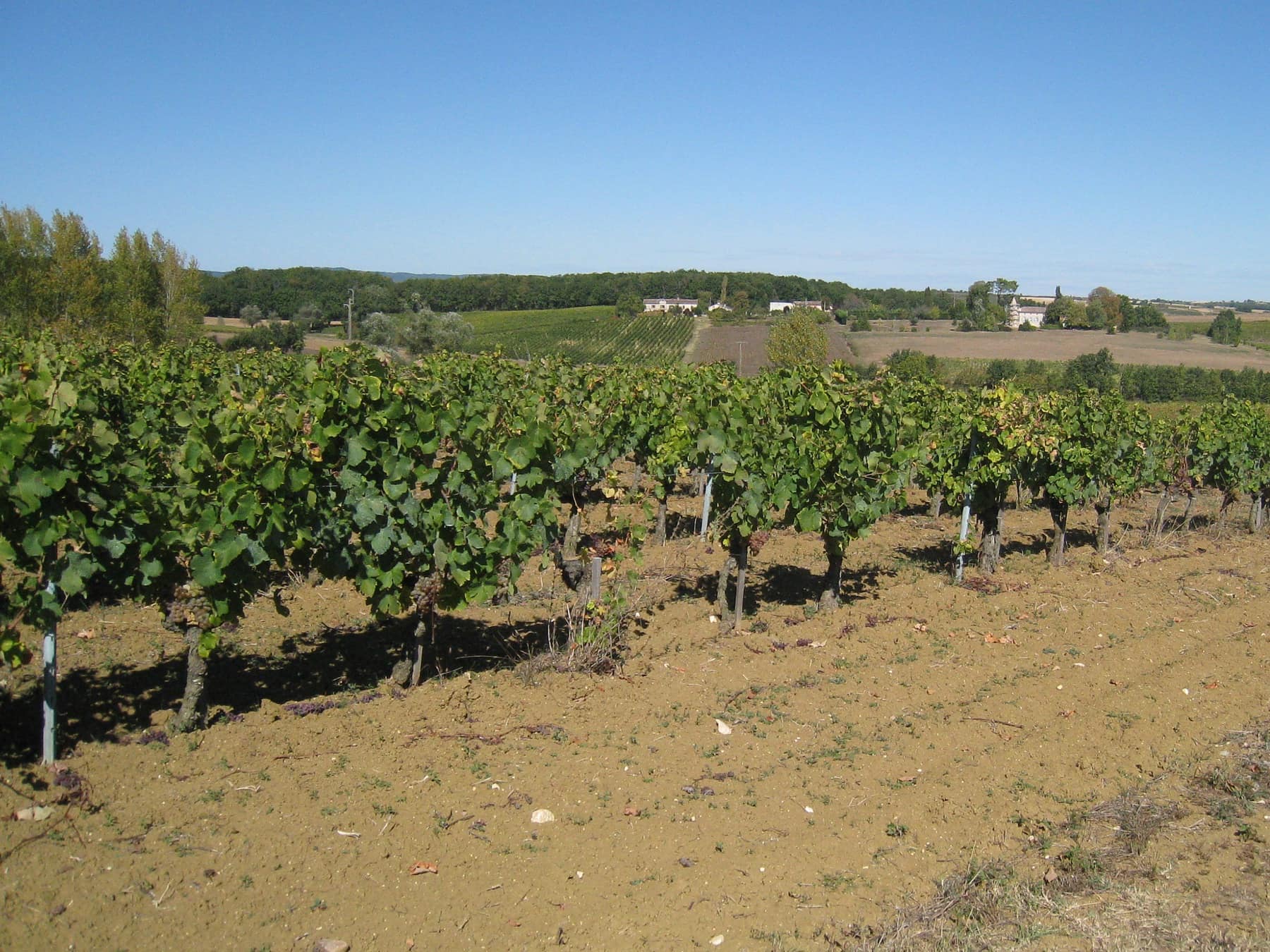
In 972, Frotaire, bishop of Albi, entrusted an estate beside the Tarn to the Benedictines, who established an abbey there. The monks took over vines already planted in Roman times, developed them, and made wine the business of the house. Soon Gaillac wine was going down the Tarn from a port near the abbey, bound for Bordeaux and then the wider world. The rise of the vineyard and that of the abbey were one and the same: it is here, quite literally, that the wines of the appellation we still drink were born.
It’s easy to forget, before the church’s massive silhouette, but this stone building is first of all a story of farming and trade. The abbey prospered as long as the wine flowed — and the wine flowed because the abbey willed it.
A church shaped like a fortress
The building you see today dates mostly from the thirteenth century. It’s southern Gothic in all its sternness: a single nave, thick walls, the bearing of a fortress planted above the river — a way of asserting the Church’s regained power after the crusade against the Cathars. The interior, for its part, was largely reworked in the nineteenth century, after the blows of the Wars of Religion and the Revolution.
Saint-Michel church has been listed as a Historic Monument since 1840 — among the very first waves of protection in France — and the abbey’s remains have been listed since 1994. A detail that changes the visit: this is not a museum but a parish church still in use. You enter it as a living place, not a display case.
The Maison des Vins, beneath the vaults
Below the abbey, in the cellars, history continues in the present tense. The Maison des Vins de Gaillac runs a cellar of over a hundred wines from the appellation: you taste, you compare, you leave with bottles from the estates you liked, without having to drive the back roads. It’s the ideal shortcut for anyone wanting to grasp the vineyard’s diversity in one go — dry, sweet, red, rosé, perlé, ancestral method.
The house is open all year, with extended hours in summer, and offers wine workshops by reservation: an introduction to tasting, wine-and-cheese pairings. Drinking the wine born here, within the walls that saw it born, has something fitting about it.
The Abbey museum, memory of the valley
Still in the vaulted cellars, the Abbey museum tells the story of the country beyond wine. Opened in 1997 and granted the “Musée de France” label, it gathers a fifth-century Gallo-Roman mosaic, medieval capitals from the excavations, but also a whole account of local life: navigation on the Tarn, the vine and wine, sacred art — a thirteenth-century polychrome wooden Virgin and Child, a Louis XIV liturgical set in red and white silk — and the journeymen’s guilds. A small museum, but a dense one, perfectly at home beneath these vaults.
Don’t confuse the three museums of Gaillac
Gaillac has three museums, and visitors often mix them up. Let’s set them straight. The Abbey museum, then, for sacred art and archaeology, at the abbey, by the Tarn. The Fine Arts museum, housed in Château de Foucaud amid its park, for nineteenth- and twentieth-century painting and sculpture. And the Philadelphe Thomas natural history museum, in the town centre, a true cabinet of curiosities — stuffed birds, minerals, fossils — the only natural history museum in the Tarn.
Good news for anyone who wants to see it all: an 8-euro pass opens all three doors. And on the second Sunday of each month, the permanent collections are free. Enough to chain together the abbey, the Fine Arts and Dr Thomas’s curiosities in a single day, without watching the cost.