Nature
What to do in Gaillac when it's too hot
When the Tarn valley pushes past 35°, water isn't the only answer. There are 142 metres of medieval tunnels twenty minutes away, three museums built into vaulted cellars, a park that opens at 7am — and above all, a different way of cutting up the day.
In high summer, in the Tarn valley, there comes a point where the question stops being “what shall we visit” and becomes “where can we cope”. The obvious answer is water — and we have covered that elsewhere, in our round-up of swimming spots. This piece is about everything else: shade, indoors, underground, and the one tactic that genuinely works when the thermometer runs away — shifting the whole day.
Go underground — the Castela, twenty minutes away
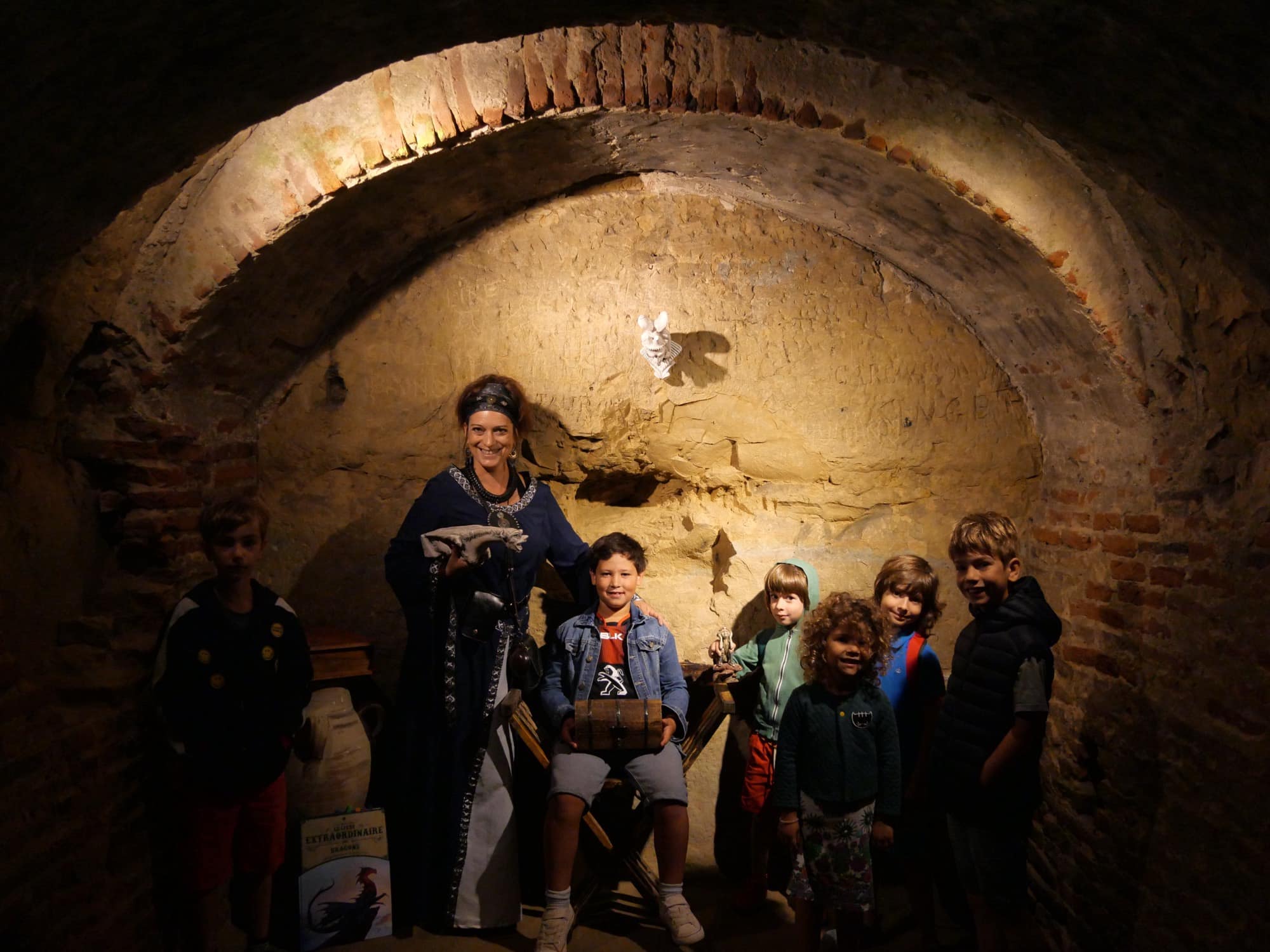
This is the best address in the area, and the least known. At Saint-Sulpice-la-Pointe, twenty-two minutes from Gaillac, a medieval tunnel runs 142 metres, some twelve metres beneath the old castle, cut straight into the castral mound in the 13th century, under Sicard Alaman’s fortress.
What makes it unusual isn’t the engineering: it’s that the place was not built to fight from. There are living quarters, grain silos, water points, niches for lamps. Somewhere people lived, not merely sheltered — rare for a castle tunnel, and it changes entirely what you find yourself looking at. Above ground, almost nothing survives: a few sections of wall.
The visit lasts an hour, guided, by candlelight, with costumed guides and medieval music. No official temperature is posted, but twelve metres down the question does not stay open for long.
In July and August, standard tours leave at 2pm, 3pm, 4pm and 5pm, with a themed tour at 11am. Booking is compulsory and tickets must be collected at the tourist office at least a quarter of an hour before departure: this is not a place you turn up to on spec on a scorching afternoon.
Further out, but a guaranteed 14°C — the Grotte du Bosc
If you want your cold documented rather than inferred, push on to Saint-Antonin-Noble-Val: forty-four kilometres, fifty minutes. The Grotte du Bosc holds a constant 14°C year-round, across roughly two hundred metres of galleries, on a forty-five-minute guided tour.
The contrast is brutal, and that is rather the point: you leave thirty-five degrees behind and find fourteen. Bring something warm — the recommendation comes from the cave itself and is not decorative. Groups are capped at twenty, booking is strongly advised in July-August, and the site is not accessible to visitors with reduced mobility: there are steep steps at the entrance and the exit. Pushchairs stay at reception.
The abbey’s vaulted cellars, and the other two museums
Without leaving Gaillac, there is something simpler. The Abbey Museum is housed in the vaulted cellars of Saint-Michel Abbey: the coolness there is structural, not air-conditioned. And the subject matter fits, since the displays trace the town’s origins, its river port and its vineyard — which is to say, why Gaillac exists at all.
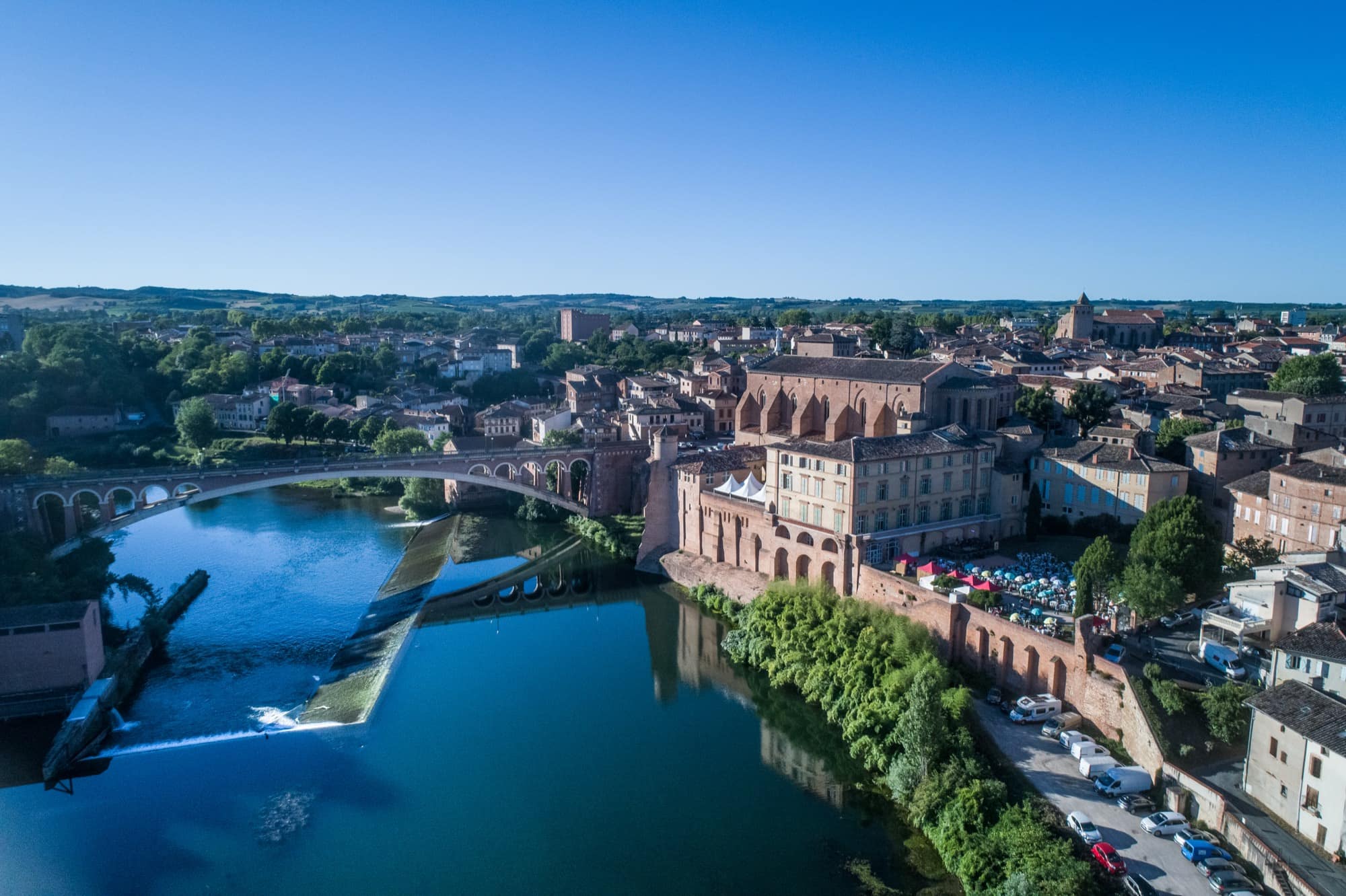
Next door, the Philadelphe Thomas Museum is a 19th-century cabinet of curiosities, with zoology and mineralogy collections and an archaeological holding. It is the one that works best with children who are dragging their feet.
All three museums open daily from 1 July to 31 August, 10am to noon and 2pm to 6pm. Entry is €2.50, or €5 for a pass covering all three — bearing in mind that summer exhibitions are charged separately. At that price, the midday closure is the only real flaw: it falls on precisely the slot when you would most want to be inside.
Parc de Foucaud, early or late
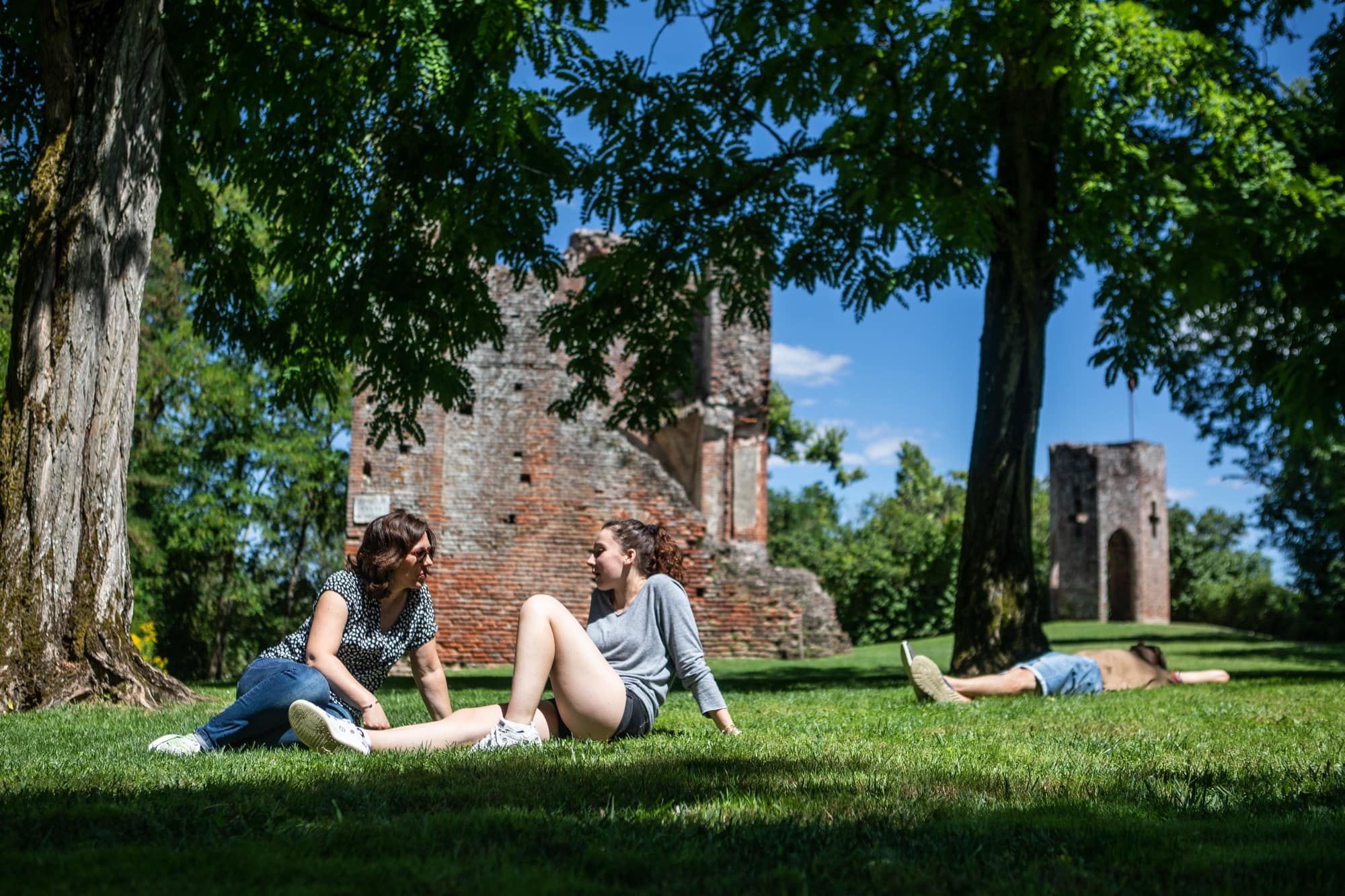
Four hectares, more than four hundred trees including several centuries-old specimens listed as remarkable, a formal French garden to the north in front of the château and an Italian garden to the south running down to the banks of the Tarn. Ponds, a rose garden, a reading pavilion. Access is free.
But the real argument is in the opening hours: the park opens at 7am and closes at 9.30pm in summer. Which means it is available at the only two moments of the day when walking outdoors remains a good idea. An hour in the park at 7.30, the museums at 10, the middle of the day spent elsewhere, and back out at 8pm. The Fine Arts Museum is inside the park, so you can string shade and indoors together without getting back in the car.
A wine cellar is cool by design
We forget it because we think tasting before we think temperature, but a chai is a building designed to keep wine cool. Château Lastours receives visitors and is the easiest way in from Gaillac. Château de Mayragues opens its tasting cellar year-round, every day of the week. Domaine Gayrard runs guided cellar tours and commented tastings on a weekly rhythm, and Domaine Rotier also welcomes visitors.
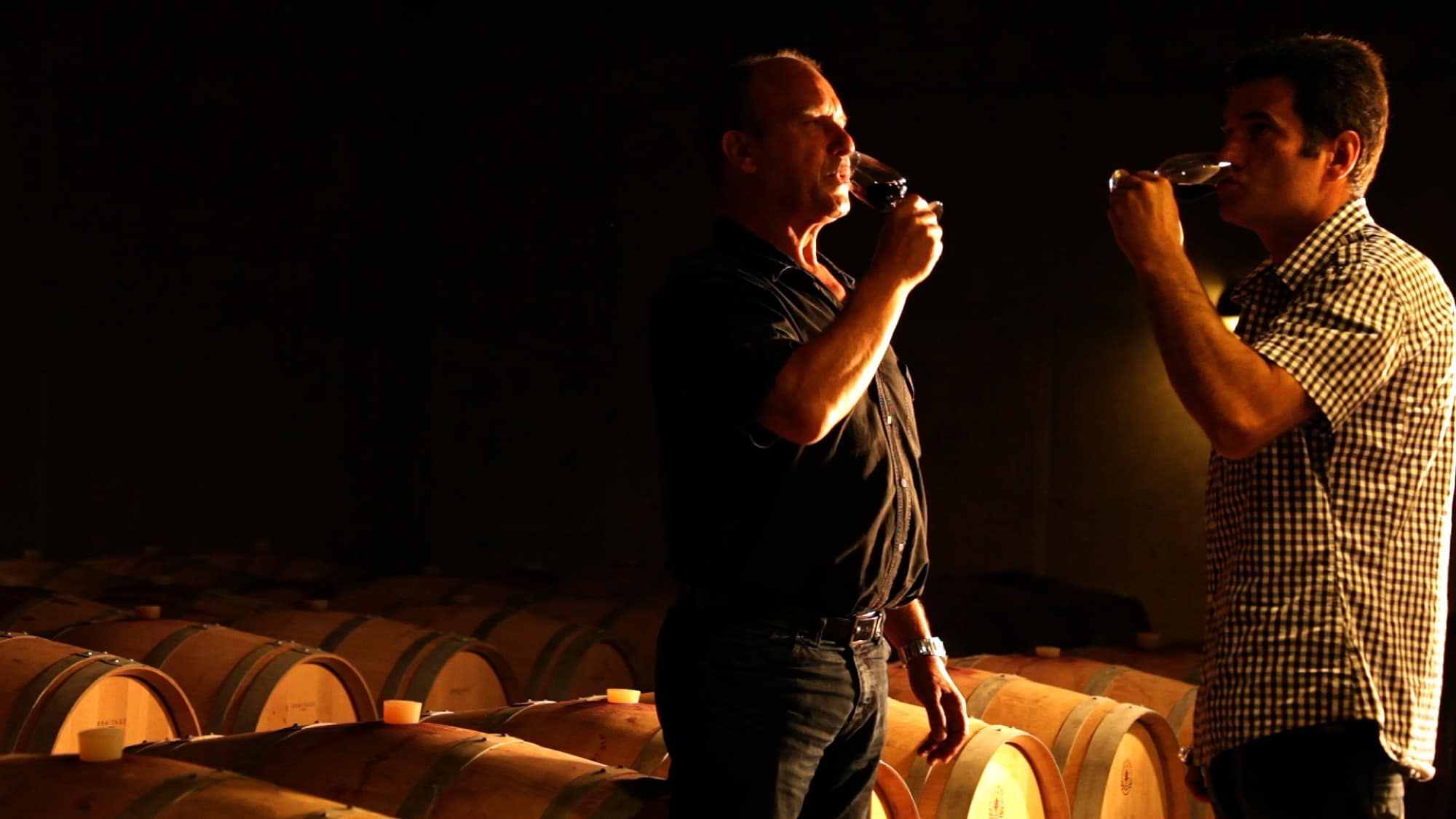
One caveat: the last three do not yet have a page here, and a small estate’s opening hours move with the work in the vines. A phone call the day before saves a wasted trip. The rest of the addresses are in our directory of estates.
Shifting the day — the only tactic that works
None of the above helps if you keep going out at 2pm. The Gaillac area copes with heat perfectly well, provided you accept that the middle of the day is a write-off.
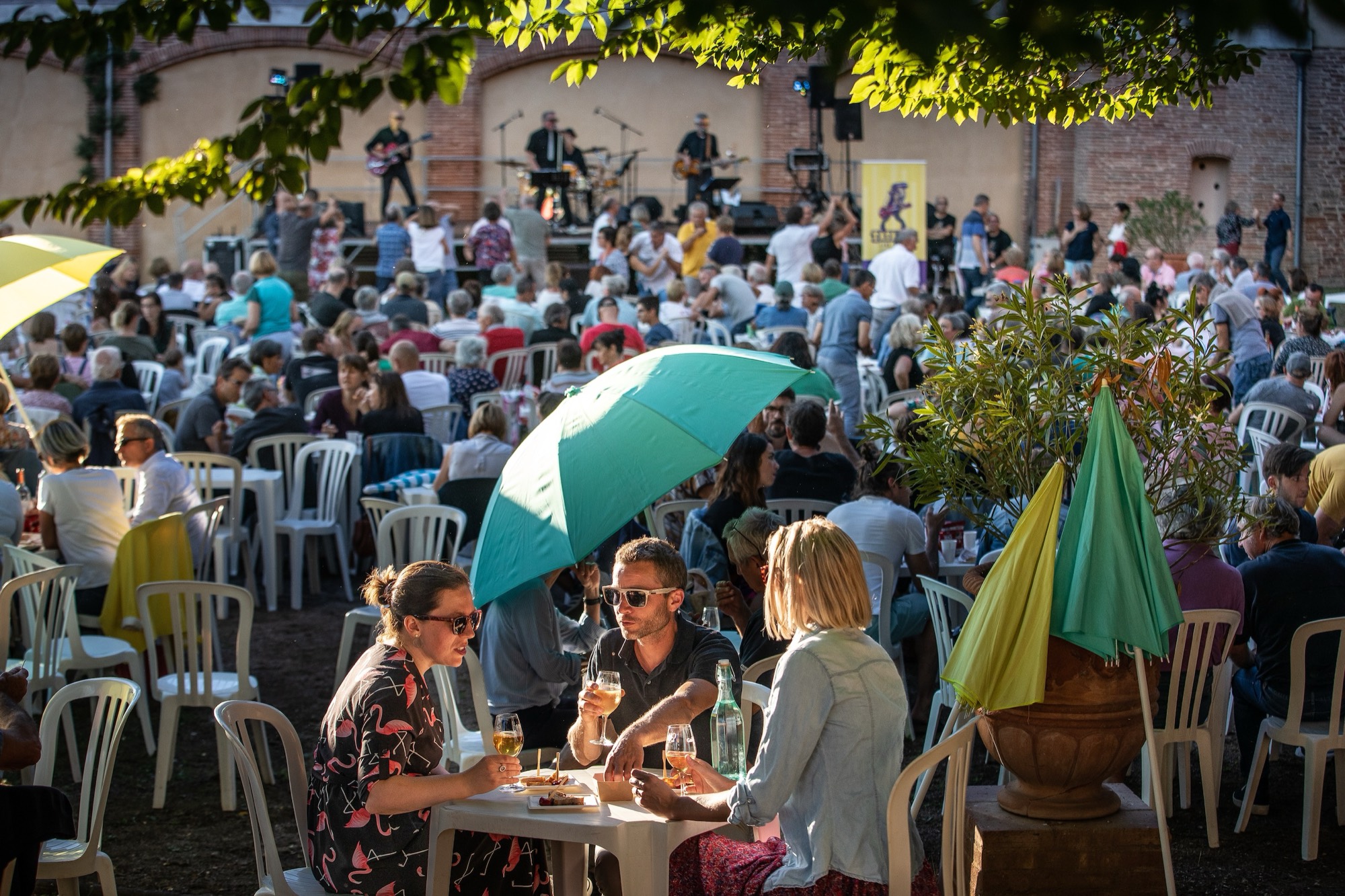
On Tuesdays the Noctambio market runs from 4pm to 7.30pm: an organic market at the end of the day, which is exactly the right slot — the rest of the town’s markets are set out in our dedicated piece. In the evening, the aperitif concerts at the estates and the guinguette in town take over once the temperature becomes bearable again. As for the hilltop villages — Cordes, Castelnau, Puycelsi — visit them in late afternoon, never at midday: the pale stone throws the heat back at you and the lanes offer no shade until the sun starts dropping.
And water, of course
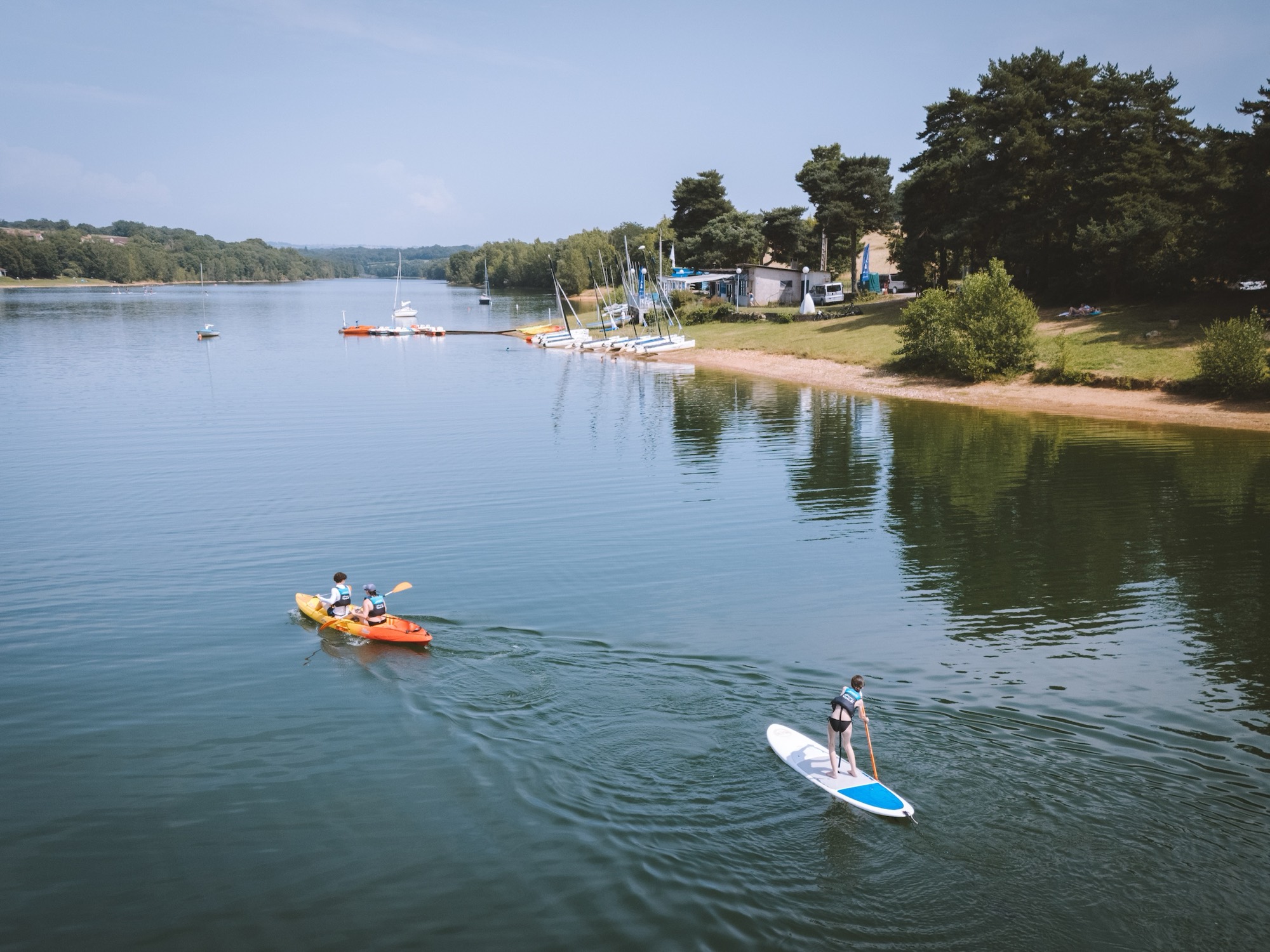
There is still canoeing in the Aveyron gorges, which we cover here. Rental centres send boats out from 9am to 2.30pm, on routes of seven to eighteen kilometres, with beaches all along the way for swimming en route.
Two honest caveats: in August the flow is lower than in spring, which makes the descent gentler but also slower in places; and you should give it up after a heavy storm or in strong wind, when the current turns genuinely nasty. For everything else — pools, supervised bathing areas, the river — it is our swimming guide you want.